PlayStation Owners Criticize Sony's Digital Licensing Rules
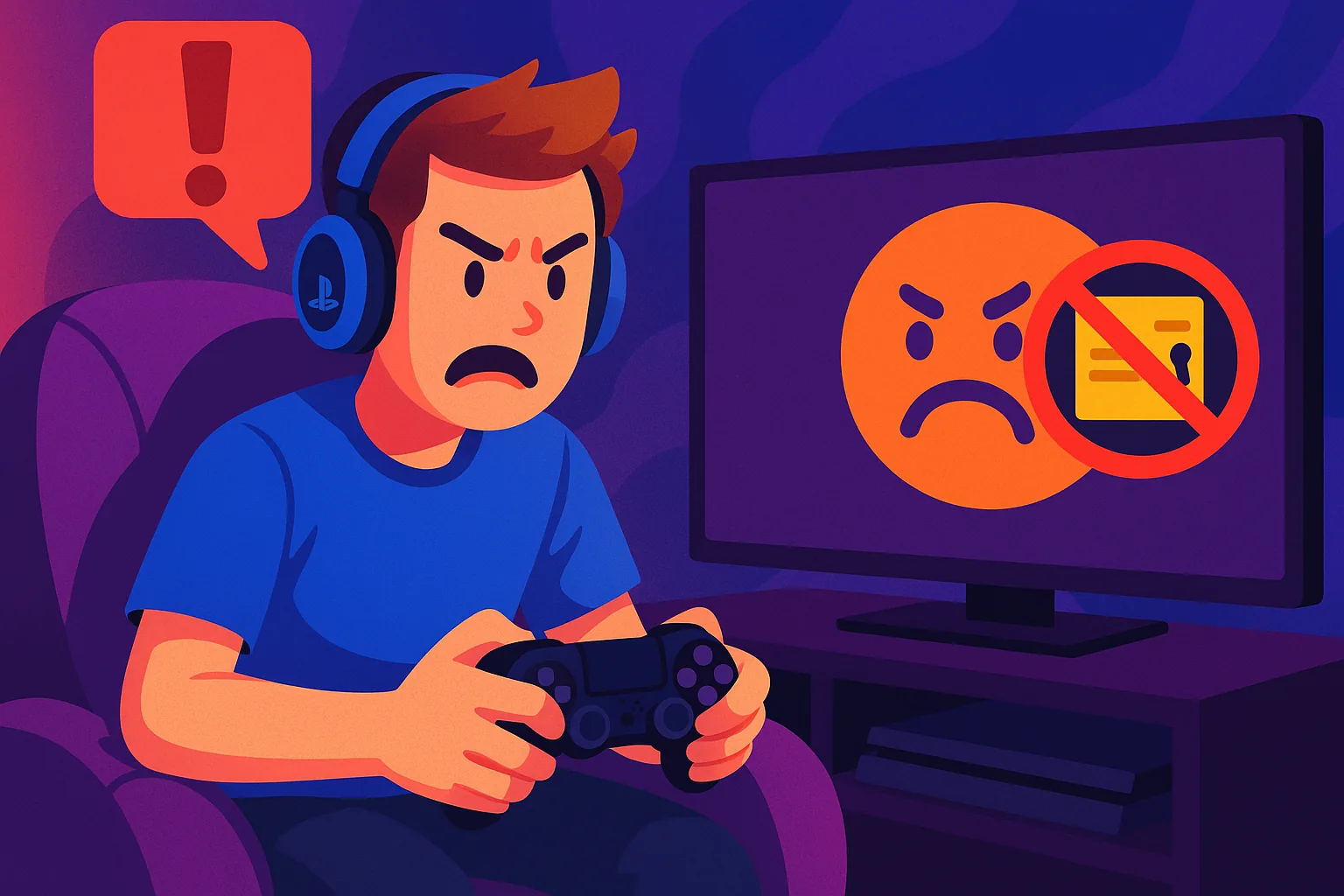
Sony is dealing with a wave of criticism from PlayStation owners regarding its digital licensing policies. The controversy highlights ongoing concerns about what it really means to “own” digital games in 2026.
The Licensing Debate
The heart of the issue revolves around how Sony handles digital content purchases on the PlayStation Store. Unlike physical games that you can hold, resell, or lend to friends, digital purchases are technically licenses that come with restrictions. Sony’s terms of service make it clear that users are licensing content rather than owning it outright, which means the company retains significant control over access.
This isn’t entirely new information. Digital storefronts across the industry, from Steam to Xbox, operate on similar licensing models. However, PlayStation owners are voicing frustration as the implications of these policies become more apparent in everyday use.
Why Players Are Upset
The criticism seems to stem from several factors. First, there’s the fundamental disconnect between how digital purchases feel versus what they legally represent. When you pay full price for a game, it’s natural to expect permanent access, but licensing agreements don’t always guarantee that.
There are also concerns about account restrictions, regional limitations, and what happens if Sony decides to remove content from the store or shut down servers in the future. We’ve seen examples in the gaming industry where digital content became inaccessible after storefronts closed or licensing deals expired.
The Bigger Picture
This controversy touches on a larger conversation happening across the gaming industry. As more players shift to digital libraries and physical media becomes less common, questions about ownership, preservation, and consumer rights are increasingly important.
Sony isn’t alone in facing this scrutiny. Other platform holders have dealt with similar backlash when their licensing policies clash with customer expectations. The difference is in how companies communicate these limitations and what protections they offer users who invest hundreds or thousands of dollars in digital content.
What This Means for Gamers
For PlayStation owners building digital libraries, this situation serves as a reminder to read the fine print. Understanding the terms of service might not be exciting, but it clarifies what you’re actually getting when you click “purchase.”
It’s also worth considering backup options. Physical games still offer more ownership security, even if they’re becoming rarer. Some players are choosing to split their purchases between digital convenience and physical preservation for games they truly care about.
Looking Ahead
Whether Sony will adjust its policies in response to this criticism remains to be seen. The company has historically been protective of its platform rules, but sustained user feedback has prompted changes in the past.
For now, the debate continues. As the industry moves further into the digital era, expect these conversations about ownership, licensing, and consumer rights to keep coming up. It’s an issue that affects anyone who buys games digitally, regardless of platform.
If you’re looking to maximize value from your gaming budget, checking out our deals section might help you find better prices on both digital and physical games. Every dollar saved is one more game you can add to your library, licensed or otherwise. 🎮