Preserving Old Games Is Like Restoring Ancient Art, Says SNEG
Preserving Old Games Is Like Restoring Ancient Art, Says SNEG
Bringing classic games back to modern platforms isn’t just a matter of copying files and hitting publish. It’s a complex, often painstaking process that shares more in common with archaeological work than most players realize.
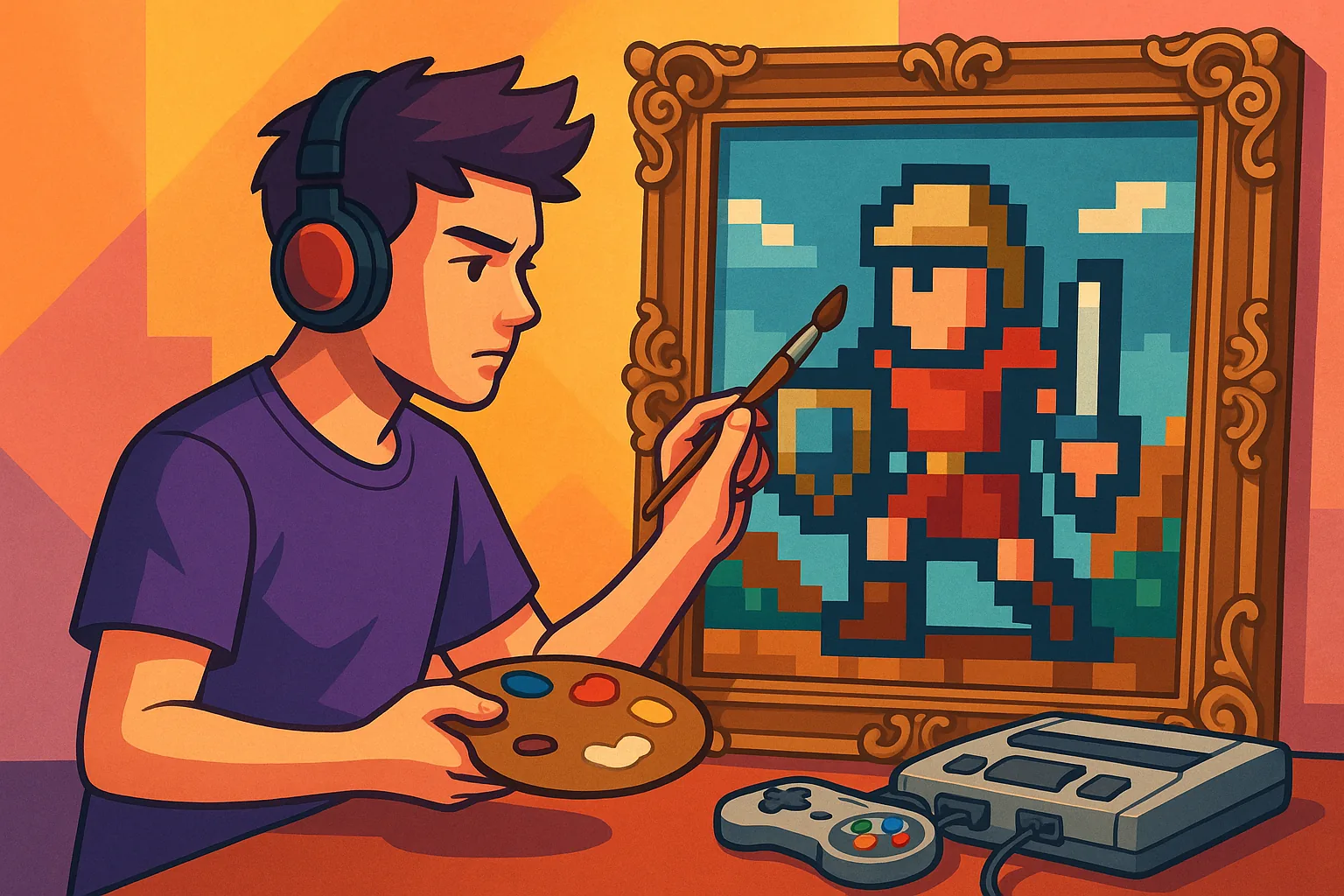
SNEG, a company focused on game preservation and re-releases, has compared their work to actual art conservation. And honestly, the comparison makes a lot of sense when you look at what’s involved.
Hunting Down the Original Creators
One of the biggest challenges in preserving older games is simply finding the people who made them. Developers move on, studios close, and the industry has changed dramatically over the decades. Tracking down someone who worked on a game 20 or 30 years ago can be like searching for a needle in a haystack.
Even when you do find the original creators, there’s no guarantee they still have access to source code, assets, or documentation. Game development in the 80s and 90s wasn’t exactly known for meticulous archiving practices. A lot of gaming history exists only on degrading floppy disks in someone’s basement, if it exists at all.
Reverse-Engineering Ancient Technology
When the source code is lost (which happens more often than you’d think), preservation teams have to resort to reverse-engineering. This means taking the compiled game and working backwards to understand how it functions, then rebuilding it in a way that works on modern systems.
Old game engines were often custom-built for specific hardware. They relied on quirks of processors, graphics cards, and operating systems that simply don’t exist anymore. Getting these games to run properly on current PCs without breaking everything requires deep technical knowledge and a lot of trial and error.
It’s not just about making the game launch. It’s about making sure it plays exactly as it did originally, with the same timing, the same feel, the same bugs (sometimes even those are important for authenticity). Change one thing wrong and you might alter the entire experience.
Why This Matters for Gamers
Video game preservation isn’t just nostalgia fuel for older players. It’s about maintaining access to important cultural artifacts and the history of an entire medium. Games that defined genres, pioneered techniques, or simply brought joy to millions of people deserve to be playable for future generations.
Unlike movies or music, games are incredibly fragile. They’re tied to specific hardware and software configurations that become obsolete. Without active preservation efforts, huge chunks of gaming history could simply disappear.
The work companies like SNEG are doing ensures that classic titles remain accessible. Whether it’s a beloved childhood favorite or an influential game that shaped the industry, these preservation efforts keep gaming history alive.
The Fragile Nature of Digital Media
There’s an irony in how fragile digital media can be. We think of games as permanent once they’re released, but the reality is different. Digital distribution has made things easier in some ways, but it’s also created new problems. Games get delisted, servers shut down, and DRM schemes stop working.
Physical media degrades. CDs develop disc rot, cartridges lose their save batteries, and floppy disks become unreadable. Even when the media survives, the hardware to run it might not.
This is why preservation work is so critical right now. Every year that passes makes it harder to recover and restore older games. The further we get from the original release, the fewer people remain who understand the technology and the harder it becomes to find working reference hardware.
Looking Forward
The good news is that awareness of game preservation is growing. More companies are recognizing the value of their back catalogs, and organizations dedicated to preservation are getting more support.
For players who appreciate gaming history, the work being done behind the scenes to keep classic games playable is invaluable. It’s painstaking, technical work that rarely gets the spotlight, but it’s ensuring that gaming’s past doesn’t become lost to time.
Next time you fire up a restored classic on modern hardware, take a moment to appreciate the archaeological expedition that made it possible. 🎮